It was quite fascinating reading about antibody responses to COVID-19, especially after studying antibodies in class for the past several classes. IgM, one of the five classes of antibodies that we have studied, is known for being the first antibody response produced when the body encounters an antigen. IgM is mainly produced following partial activation of a B cell due to cross-linking. By this point, the B cell has realized that there is a dangerous antigen in the body and so it produces IgM to begin to combat the antigen. However, IgM is not enough to be able to protect the body. Once a B cell is fully activated by a helper T cell, it receives a signal as to what type of antibody it should produce depending on the antigen present. This causes it oftentimes to produce IgG. IgG is also much more present following the secondary response, as the B cell proliferates and undergoes class switching.
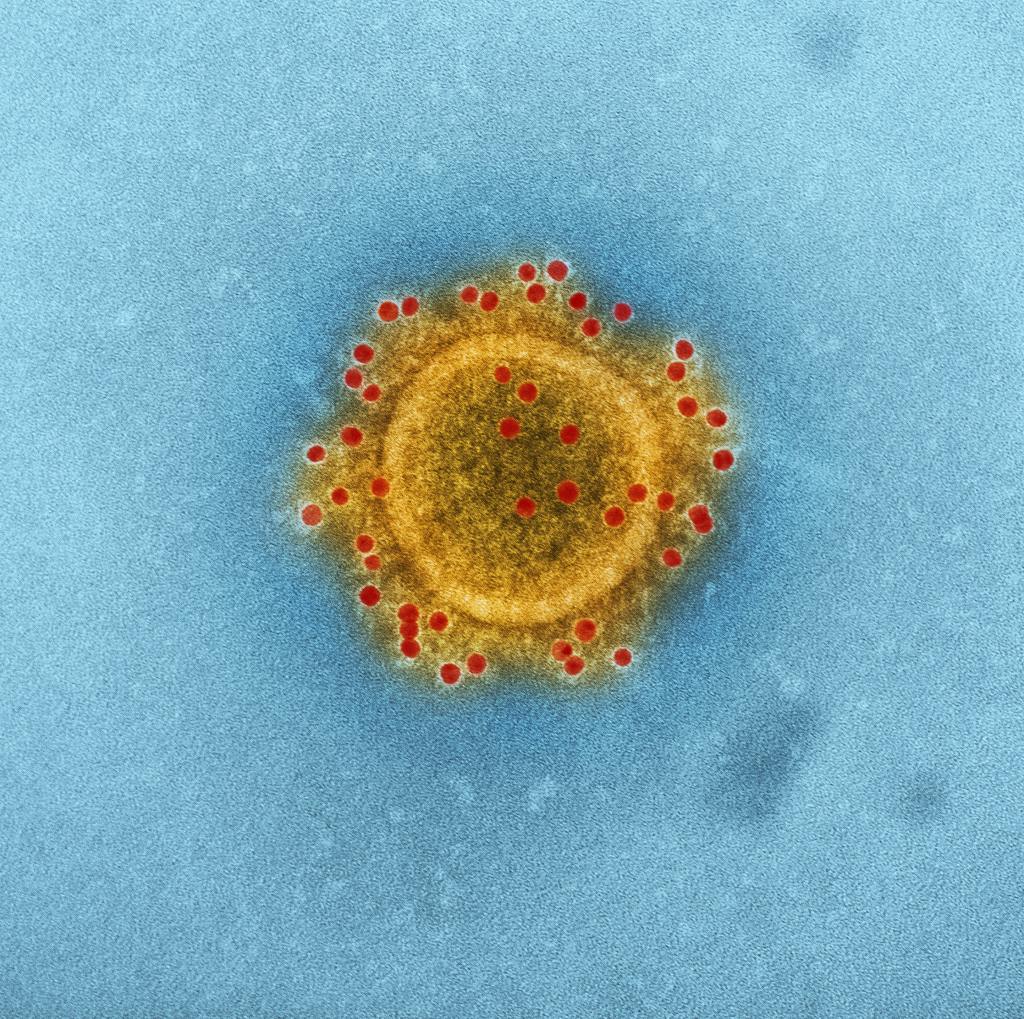
In a specific study regarding MERS, SARS, and COVID-19, it was very interesting to see the prevalence of these various antibodies. The article discussed how important it is to study these other similar viruses in order to better understand the antibody response in COVID-19. In the study of COVID-19 specifically, it was reported that “one patient showed peak specific IgM at day 9 after disease onset and the switching to IgG by week 2.” This is a clear example of class switching. As the B cells proliferate, they will stop producing IgM and will start producing IgG. IgG and IgM are not often present together. If they were to both be seen in testing, this would show that the body is in the process of class switching, so some of the antibodies are still IgM whereas more and more are IgG.
Another recent article discussed how the CDC has decided to begin using antibody testing to determine if an individual has been exposed to the coronavirus. The specific tests look at IgM and IgG levels in the blood. The hope is that if an individual has been exposed, then they cannot get it again and so they can go back to work. However, data has not yet shown whether simply having the presence of some of these antibodies is enough to provide immunity. It can be helpful in determining who has been exposed since many individuals remain asymptomatic, but as the article states, “Some people — because they had mild or no symptoms, for example — might have developed antibodies that are too weak to prevent re-infection.” It is important for testing to continue in order to ensure it is safe for people to begin working again.

 Emma's Microbiology Blog