Be yourself; Everyone else is already taken.
— Oscar Wilde.
This is the first post on my new blog. I’m just getting this new blog going, so stay tuned for more. Subscribe below to get notified when I post new updates.
Be yourself; Everyone else is already taken.
— Oscar Wilde.
This is the first post on my new blog. I’m just getting this new blog going, so stay tuned for more. Subscribe below to get notified when I post new updates.
Because COVID-19 has become so widespread, it is easy to forget that there are other diseases that are plaguing the world today. One other recent disease seen in northwest Benin is meningococcal disease according to an article by the CDC. This specific outbreak was caused by Neisseria meningitidis, specifically strain C. Meningitis can be very dangerous for those infected because this bacterium has the ability to pass into the lining of the brain and the spinal fluid. However, as the CDC states, there is a vaccine which can help prevent disease against strains A, C, W, and Y.
Benin is not the only outbreak of meningitis seen in recent years. Meningitis has been known for spreading on the college campus, causing students to get a booster shot before they go to school. However, there have also been a large number of cases seen throughout Africa. A recent article published in The Journal of Infectious Diseases talks about this problem in what is known as the “African meningitis belt.” The vaccine against serogroup A was introduced in the region between 2010-2017. This has proven very successful, and now according to the article, “Neisseria meningitidis A epidemics have been eliminated.” However, other serotypes of this disease still persist.
Part of the continuing problem is a lack of access to affordable conjugate vaccines in the region. There is a need throughout Africa for more access to vaccines against these other serotypes in order to protect the many individuals at risk. This is the new task before us to put an end to meningitis. By providing people with access to the vaccine, we will be able to develop herd immunity around the world to protect those most at risk and to keep our loved ones healthy. So, even as we search desperately for a coronavirus vaccine, we must not neglect the needs of those who simply need access to vaccines that are already available.
Certolizumab is a very important monoclonal antibody drug that has been approved by the FDA for use in humans as seen in this article. Monoclonal antibodies have become very useful in the treatment of diseases. These are very specifically produced in a lab and are unique because they bind to only one specific cell. They have the same characteristics and will be able to bind to the same epitope of a cancerous or dangerous cell in the body. They are also very important in the diagnosis of various diseases and play a large role in the body’s specific immune responses. By using monoclonal antibodies to diagnose certain diseases, there is now a more standardized and consistent system regarding diagnostic testing. An article by the Mayo Clinic also discusses how monoclonal antibodies are proving very useful in the treatment of various types of cancers.
Certolizumab specifically is used to help lessen the effects of rheumatoid arthritis and Crohn’s disease in an individual as seen in another article by MedicineNet. This antibody does this by binding to tumor necrosis factor alpha in the body and blocking it. The TNFalpha protein contributes greatly to inflammation in the body, which is exactly what the body needs to fight against. Crohn’s disease and rheumatoid arthritis are both caused by this inflammation from the immune system and require these monoclonal antibodies to help stop this inflammation. When certolizumab binds to TNFalpha, inflammation decreases greatly and helps to calm many of the symptoms associated with these two diseases. However, there are several side effects that are important to take into account. These include:
In serious cases, certolizumab has also been known to cause:
As stated in an article by John Hopkins Arthritis Center, an individual must test negative for tuberculosis if they want to begin taking certolizumab. Furthermore, the individual should not receive any live vaccines while taking this drug. I believe that this is due to the fact that these antibodies are inhibiting the inflammatory response of the immune system. If an individual had latent TB for example and the inflammatory response of the immune system was lessened, this could cause TB to grow and spread in the body. This drug seems to have an impact on both the acquired and innate immune response, but specifically the innate. It seems to weaken the roles of the inflammatory response in innate immunity respond to dangerous viruses. Furthermore, as mentioned in the side effects above, it lessens the presence of white and red blood cells, which both play important roles in innate immunity. These drugs are important to the immune system, but they must be taken cautiously to avoid further disease in an individual.
The rate at which vaccines are being tested in order to treat COVID-19 is astounding. The speed at which scientists and doctors have developed and are now testing these vaccines is quite unheard of around the world. An article by NBC News states how it took scientists twenty months to perform the first clinical trial for SARS, whereas now the first clinical trials for COVID-19 are being implementing in around two months. There are many different things to consider regarding this new vaccine. Testing has been so rapid that there will definitely be concern regarding the long-term effects of a vaccine like this. However, the various trials going on in the U.S and around the world could be the hope people have been looking for, an end to this dangerous virus.
Currently, as testing continues and as clinical trials are underway, new questions arise regarding the vaccine. The question a recent Nature article asks is simply, “If a coronavirus vaccine arrives, can the world make enough?” This is a sobering reality that many are starting to become more aware of. If in the next year we can finalize a vaccine that works, will we will be able to make it available to everyone? Scientists believe that RNA and DNA based vaccines are the simplest and easiest currently to make a large scale. Hopefully, testing involving such vaccines will prove successful. There are many of such tests occurring around the globe, and the world’s best scientists are coming together in order to develop a vaccine.
One current study has recently showed that a certain coronavirus vaccine similar to one used against MERS has developed antibody responses in mice. This specific work being done at the University of Pittsburgh is showing promising potential as testing continues. This specific vaccine could “be made quickly and at large-scale” according to scientists involved. Hopefully, testing will prove successful soon. We should not rush this process because we want the vaccine to be the most effective and the safest it can be, but we are also in a world crisis currently. The more time that goes by, the more people are infected. Hopefully, our world can come together, and this will all be over very soon.
It was quite fascinating reading about antibody responses to COVID-19, especially after studying antibodies in class for the past several classes. IgM, one of the five classes of antibodies that we have studied, is known for being the first antibody response produced when the body encounters an antigen. IgM is mainly produced following partial activation of a B cell due to cross-linking. By this point, the B cell has realized that there is a dangerous antigen in the body and so it produces IgM to begin to combat the antigen. However, IgM is not enough to be able to protect the body. Once a B cell is fully activated by a helper T cell, it receives a signal as to what type of antibody it should produce depending on the antigen present. This causes it oftentimes to produce IgG. IgG is also much more present following the secondary response, as the B cell proliferates and undergoes class switching.
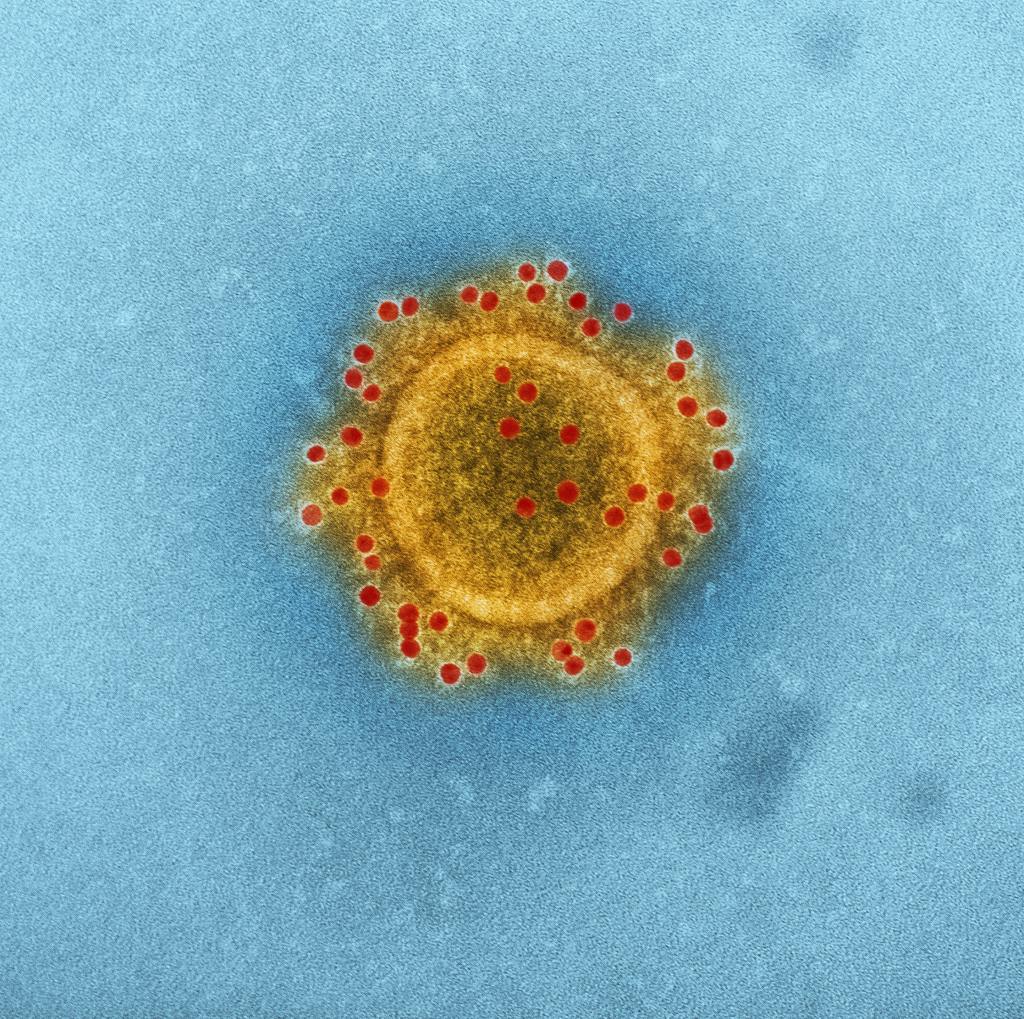
In a specific study regarding MERS, SARS, and COVID-19, it was very interesting to see the prevalence of these various antibodies. The article discussed how important it is to study these other similar viruses in order to better understand the antibody response in COVID-19. In the study of COVID-19 specifically, it was reported that “one patient showed peak specific IgM at day 9 after disease onset and the switching to IgG by week 2.” This is a clear example of class switching. As the B cells proliferate, they will stop producing IgM and will start producing IgG. IgG and IgM are not often present together. If they were to both be seen in testing, this would show that the body is in the process of class switching, so some of the antibodies are still IgM whereas more and more are IgG.
Another recent article discussed how the CDC has decided to begin using antibody testing to determine if an individual has been exposed to the coronavirus. The specific tests look at IgM and IgG levels in the blood. The hope is that if an individual has been exposed, then they cannot get it again and so they can go back to work. However, data has not yet shown whether simply having the presence of some of these antibodies is enough to provide immunity. It can be helpful in determining who has been exposed since many individuals remain asymptomatic, but as the article states, “Some people — because they had mild or no symptoms, for example — might have developed antibodies that are too weak to prevent re-infection.” It is important for testing to continue in order to ensure it is safe for people to begin working again.
In light of all that is going on in the world, I am amazed at the speed of which coronavirus vaccine testing has occurred. Recently multiple potential options have arisen as ways to combat the virus. In an study by the University of Pittsburgh, scientists have shared recent discoveries regarding a vaccine. The vaccine has been tested in mice already, and these results have seemed to show success thus far. These scientists have also claimed that having dealt with SARS-CoV and MERS-CoV within the past twenty years has helped tremendously in the process of creating a vaccine.
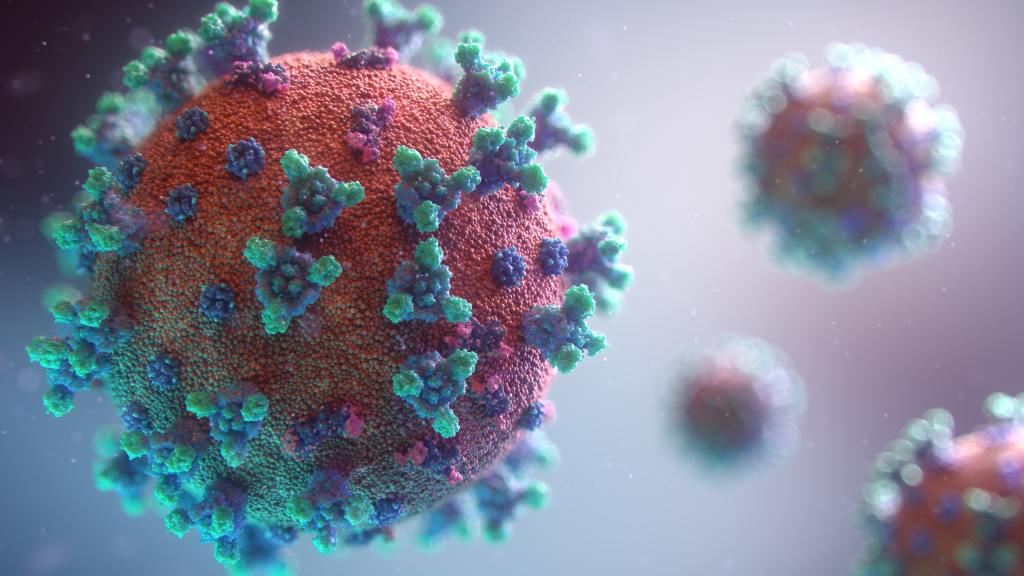
Specifically, these past two viruses have taught scientists about a spike protein that plays an important role in the danger of this virus. The vaccine itself involves protein pieces that are “engineered to express the SARS-CoV-2 spike protein.” By doing so, this can help the body produce antibodies against this virus, protecting individuals in the future. Though there has not been much time to test the effects this vaccine has had on mice, thus far it seems to be working. Many antibodies have been produced in the mice that can prevent any problems from the virus for at least a year. Furthermore, this vaccine is able to be stored at room temperature, making it much easier to transport, which is very important during this current time.
Another study has also been underway, and it is now currently in the phase of clinical trials. In an article by the National Institutes of Health, a vaccine known as mRNA-1273 is now being tested in healthy adults in the state of Washington. In this study, the mRNA vaccine expresses the same spike talked about above. This spike is what causes danger because this is what binds to cells, giving the virus a place to enter and replicate. By showing the body this virus protein now, the body will be prepared and able to produce a strong immune response.
Both of these studies are very exciting but still require much more work. I hope that we can soon develop a functioning vaccine in order to save the lives of many who are currently very susceptible to the dangers of this virus.
Dendritic cell and T cell therapy are looking to both be promising forms of care for patients dealing with a variety of physical ailments. Both types of therapy are now being studied as potential treatment for cancer, specifically for cancerous tumors. Because dendritic cells and T cells are both so necessary in the immune system, many studies include aspects of both dendritic cell therapy and T cell therapy to do their studies. Dendritic cells signal to T cells by both presenting dangerous antigens, as well as signaling through co-stimulatory molecules that such antigens are dangerous. However, dendritic cells can also lead to T cell death, especially if certain T cells recognize what seem to be normal body proteins and cells. Dendritic cells and T cells are both necessary for various immune responses to occur in the body, and they each provide certain “checkpoints” for specific immune responses to occur.
In an article in the Immunology Journal, it states that “blockage of [certain] immune checkpoint molecules has been approved by the US Food and Drug Administration for the treatment of some cancer types such as melanoma and non‐small cell lung carcinoma.” Furthermore, specific testing has been done in an article by Nature Communications regarding dendritic cell vaccines. Dendritic cells are important for improving cancer immunotherapy specifically according to this article because of “their ability to uptake and present tumor-associated antigens (TAAs) through a variety of mechanisms.” However, this specific method has yet to be fully studied, and scientists are still working to make it successful. Recently, CRISPR technology has become an important means of study regarding dendritic cell therapy. By editing the genes in specific cells, one can potentially affect the way that dendritic cells and T cells impact cancerous cells. However, though much research is still continuing, there are also trials beginning for treating patients with different types of cancer.
According to the National Cancer Institute, there are multiply trials occurring specifically involving dendritic cell therapy. One for example involves patients undergoing a stem cell transplant, whereas another involves patients who have liver cancer but cannot have their liver removed. The trial involve liver cancer for example, involves a vaccine known as Prevnar. Doctors are trying to determine if this vaccine can help teach the immune system to destroy tumor cells when needed. These trials definitely include exciting new research, but they are also quite unpredictable for those involved. However, hopefully as time goes on, these trials will become normal treatment protocol, saving the lives of many more patients.
Tuberculosis is a dangerous yet very common infection. When I worked at the hospital, I was required, along with all other hospital employees/volunteers, to get tested for tuberculosis. According to an article by Timothy Sterling and others, “One fourth of the global population is estimated to be infected with Mycobacterium tuberculosis.” In many people, this infection is latent, meaning that is currently within the body, but it is inactive or asymptomatic. Tuberculosis affects the lungs, and it is spread in the air, according to an article by the World Health Organization. It is also very contagious, with only a few TB particles required for infection.
For many years, I did not really understand the dangers surrounding tuberculosis. It is surprising to me that an infection that is so common is not talked about more. Though many people will never experience active TB, active TB can be a serious danger for those with compromised immune systems or other underlying medical conditions. People with HIV are some of the most at risk of developing active TB as well as potential further complications and even death. Some of the difficulties associated with this disease include the difficulty in diagnosing those who have it. Many people could go months without realizing they have active TB and pass it along to lots of people.

Current treatment for TB includes a “standard 6-month course of 4 antimicrobial drugs.” However, now due to lots of anti-TB use, drug resistance has emerged. Now there is multidrug-resistant tuberculosis, which requires new forms of treatment. Furthermore, there can be resistance to these other treatments, leading to serious sickness and death among patients. Due to these current issues, the World Health Organization and other groups have made a commitment to severely lessening both the occurrences and deaths from TB by the year 2030. This will be done through various means, including further research and treatment for those who do not have access to medical care.
If we all do our part, hopefully TB will become more of a distance memory than a current issue.
Hi guys, this is Emma Kruger, the author behind these many blog posts you have read over the past several months! I just thought that in light of all that is going on right now, it would be helpful for me to introduce myself and talk about how I have been doing these past few weeks. I hope that it can be helpful to hear from someone who is also in the midst of social distancing and “quarantining” so to speak. I hope that all of you guys are staying safe and are doing well emotionally, physically, and mentally. We are in a time like no other, and it is more important than ever to encourage one another, even from distance.

I am from Charlotte, NC and have lived there my whole life. Being back in Charlotte has truly been wonderful, but it is also just so different from what my life has looked like over these past seven months or so. I have been stuck at home for about the last week and a half in order to limit exposure to people, and thus exposure to the coronavirus. The county I live in has the most cases as of now in the state of North Carolina. People are now ordered to stay at home unless absolutely necessary, and my family and I have been constantly washing hands, cleaning doorknobs and more.
Overall, I personally have been doing well during this quarantine. It is definitely a lot of change, and I miss UNC like crazy, but I am trying to enjoy the parts of this season that are good. I have had a lot more time to spend with my family, a lot more time to just rest, and have gotten to call/facetime friends. I have also loved watching my neighbors all talk and hang out more because people are outside walking around because they have nothing else to do! Even though being home has been nice, I cannot wait to see all of my friends again and eventually be back at UNC. This meme below represents how I’m feeling simply because this time of quarantine has already felt SO long!

Anyways, hope you all are doing well and staying safe! We can do this!
I have been astounded recently at the extent to which the coronavirus has affected the world and now more specifically the United States. It seems like just yesterday the coronavirus was affecting people in China, and now it is here in Wake County. Drastic measures are being taken around the world. In the United States, many businesses are canceling all nonessential travel and are even telling employees to work from home. Furthermore, colleges and universities, including our very own UNC-Chapel Hill, are extending spring breaks and moving to online classes for the remainder of the semester. Many other schools, businesses, and organizations are preparing to take the same measures. How long will this continue, and how far will these drastic measures go?
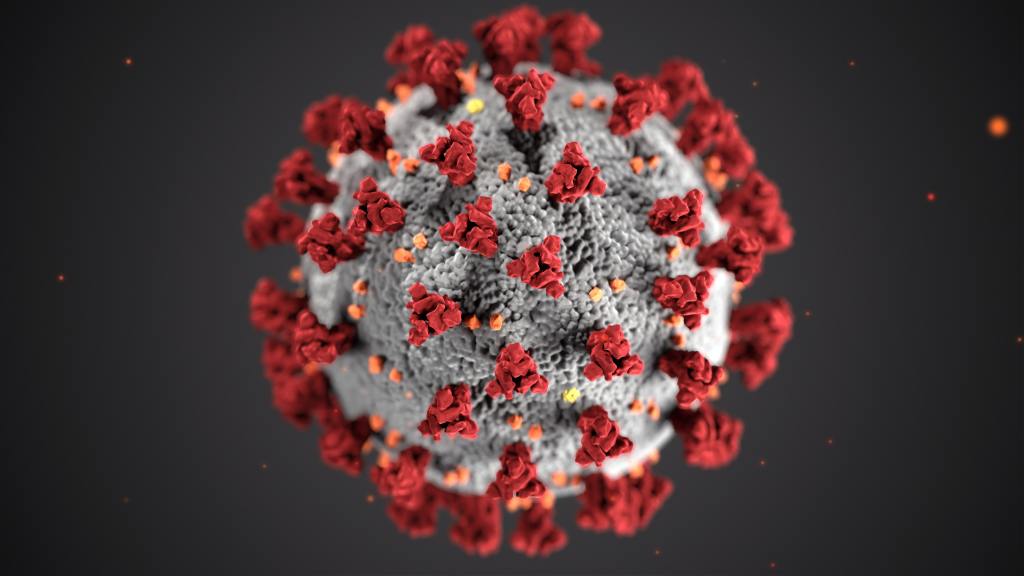
The epidemic of the coronavirus began in Wuhan, China, and it quickly spread from there. The virus has now appeared in every state in the United States and in many countries around the world. The virus has a very long incubation period of around fourteen days, causing the virus to easily spread between people. After beginning in China, it quickly spread due to a long incubation period of around fourteen days and the fact that some people including children and teenagers tend to be asymptomatic. Now, according to an article by the New York Times, new measures are being taken in order to prevent the further spread of the virus. France has closed most businesses, and Spain is urging people to not leave their homes. For weeks, the CDC has warned against travel to China and Iran, but now most of Europe, including France, Italy, and Spain have become a part of this list.
From a biological perspective, it is very interesting to study why the coronavirus has spread so quickly. One of the first important aspects of the virus is the “spike” protein, as it is called in a Nature magazine article. This protein binds to cell membranes through activation by a enzyme known as furin. Furin is found in many human tissues, which could mean that the coronavirus could impact many aspects of the body. Though this protein has dangerous consequences, it could also be a part of treating this virus. Doctors and scientists are now seeking to target the spike protein site as well as the production of furin in order to potentially treat patients with this virus.

The world is a scary place. As this virus continues to escalate, it is important to remain level headed. Wash your hands. Don’t touch your face. If you feel sick, don’t go out. Help one another. Stay safe!
Sexually transmitted diseases have been on the rise for years. There are many ways of preventing STDs, yet there are many factors including lack of education, finances, and healthcare that can contribute to the growing number of STDs. Sadly, STDs are affecting more than just the individual who contracts one. Now, many infants are born with physical or neurological problems and sometimes even die due to STDs. A recent fact sheet by the CDC stated that there were well over two million combined cases of STDs in the United States in 2018. Why were the numbers so high?
Some of the main reasons given for why these numbers are so high include poverty, decreased condom use, and cuts to STD programs from the state and local government, according to an article by the CDC. When people do not have the money to afford healthcare and treatment for an STD, there can be problems. Many STDs, including syphilis, gonorrhea, and chlamydia, can be cured by antibiotics. Problems arise however when left untreated. Not only is the individual now more at risk for future complications, but he or she is likely to spread the disease to his or her sexual partner. Furthermore, for women, there is the danger of causing disease like congenial syphilis in a child if the STD has not been treated before giving birth.
The question then remains-what can be done to prevent the growing STD epidemic? First and foremost, the most certain way to not contract these diseases is to not have sex. If you do choose to have sex, limiting sexual partners and using condoms are important to preventing the spread of disease. Furthermore, as an article by Dr. Barrow and others states, it is important that quality care for the treatment of STDs be provided to all patients. More funding is required to ensure that treatment and education about STDs are readily available to those who need it. By taking these measures, we will hopefully be able to curbed what is currently a growing problem within the United States.
 Emma's Microbiology Blog