Science impacts the world in ways we sometimes fail to recognize. It can have unforeseen impacts and surprising revelations. Such was the case in the story of Dr. Andrew Wakefield.

Andrew Wakefield was a British doctor who, in 1998, published a scientific paper, along with twelve colleagues, stating that the MMR (measles, mumps, and rubella) vaccine caused autism. He and his colleagues based this revolutionary discovery on the data from twelve children who were brought to the Royal Free Hospital and School of Medicine. These children were brought in with “chronic enterocolitis and regressive developmental disorder” according to an article by Laura Eggertson. The scientists believed that these health issues were due to the MMR vaccine, and they also stated that “the parents of eight of the twelve children associated their loss of acquired skills, including language, with the MMR vaccination.” This was the evidence that the authors claimed to be using to make their conclusions regarding vaccines.
At first glance, this study seemed rather normal. However, it was later discovered after the results of the study were published in the scientific journal The Lancet that ulterior motives were at play. It was brought to light that several lawyers who were working with some of the parents of children in the study had helped fund research. Why? The lawyers were helping fund research because they were helping their clients sue against vaccine manufacturers. After these underlying motives were brought to light, the article was revoked and Andrew Wakefield eventually lost his medical license for his unscrupulous behavior. Since the article was revoked, great sums of money have been spent in order to reject Wakefield’s data and also to continue to search for cause of autism today.
The publication of this article has had large-scale effects in many countries beginning with the UK. Following this article, UK immunization rates plummeted. According to an article by Time magazine, it took “nearly two decades for the UK immunization rates to recover” after Wakefield’s data was released, and families in the United Kingdom had experienced “more than 12,000 cases of the measles, hundreds of hospitalizations…and at least three deaths” during those twenty years. Parents became so frightened of their children getting autism that many refused to vaccinate their kids, leading to much higher rates for the measles, mumps, and rubella. This was not simply something that occurred in Europe either. Due to the fears surrounding the claims made by Andrew Wakefield, families in the U.S. were also affected and have continued to be impacted. There have been several breakouts in the United States and elsewhere around the world. In the U.S. specifically measles was thought to be gone, but it has returned in several locations, following a lack of vaccinations.
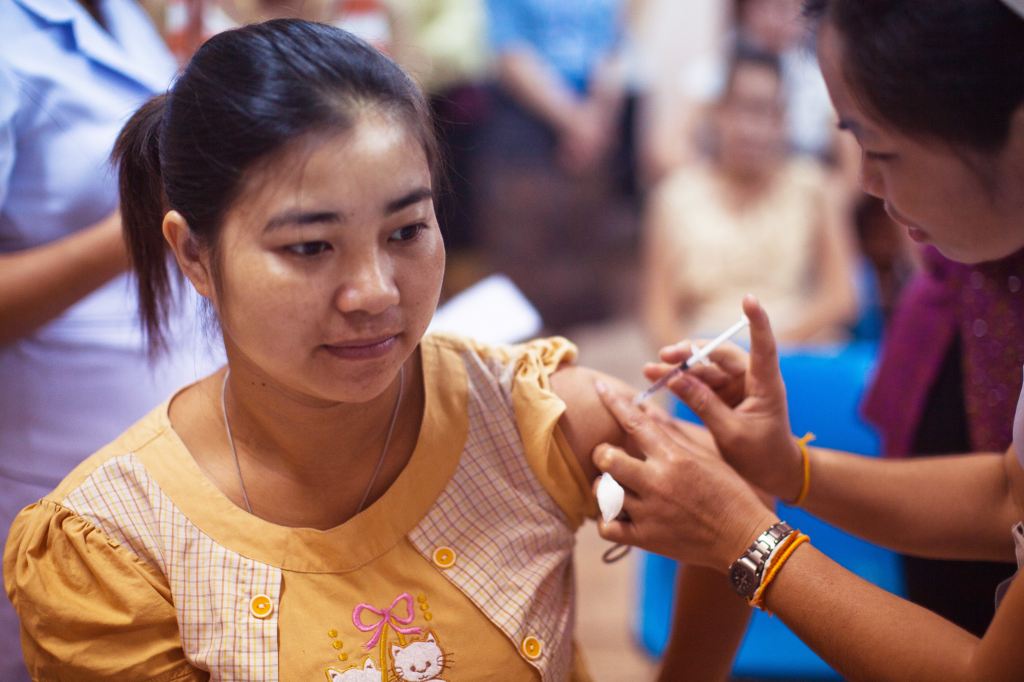
Vaccines are necessary in order to protect communities and to protect those who have compromised immune systems. However, following Andrew Wakefield’s work, giving vaccinations has become a much harder task. It is up to the next generation to be educated and aware of the importance of vaccines, so that they will vaccinate and protect their children, and hopefully end these diseases once and for all.


