Blog Feed

Antibiotics: Are They Still Working?

Antibiotics. Antibiotics have been seen for years as an important aspect of healthcare. Antibiotics are used in order to combat various diseases seen in humans, but they have also been useful in animals. Recent studies regarding humans has shown an impending danger resulting from bacterial mutations that cause bacteria to become resistant to antibiotics. Because of this, antibiotics are slowly becoming less effective, and eventually could become completely useless against dangerous bacteria. Another science journal also discusses how antibiotic resistance is becoming more prevalent in animals as well, which could lead to problems with livestock around the world.

Photo by Volodymyr Hryshchenko on Unsplash

A recent article by Science Magazine made a rather frightening claim associated with recent findings related to antibiotic resistance. The magazine states that “evolution experiments have shown that tolerance evolves quickly under cyclic antibiotic treatments.” In this article, patients were studied who had contracted methicillin-resistant Staphylococcus aureus (MRSA) blood infections. The first patient was shown to have S. aureus that had developed resistance to a certain antibiotic known as rifampicin (RIF). The resistance to certain antibiotics tends to stem from mutations that occur within the bacteria that cause certain strains to survive and multiply even in the presence of antibiotics. This article then went on to discuss the importance of continued research into antibiotic resistance in order to determine the best ways to use antibiotics well that may continue to help people around the world.

The antibiotic resistant problem as stated earlier is also becoming an issue in animals. In some cases, studies have shown that antibiotic-resistant bacteria may not be growing, but instead antibiotic resistance genes are. The current problem with these is that many can be found in dairy manure, and they become very difficult to regulate. This surprised me because I did not even think about how genes could persist in bacteria in that way. Overall, it is very important both for the food we eat and for the lives that we live, for us to continue to research and work to better understand antibiotics and antibiotic resistance.
HPV and it’s Controversial Vaccine

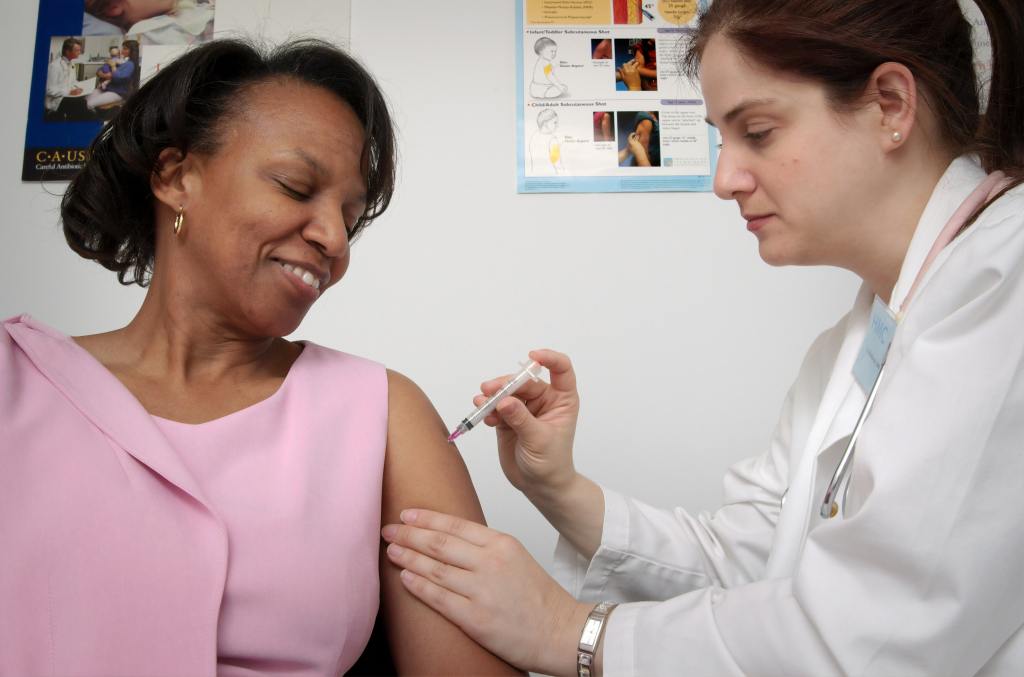
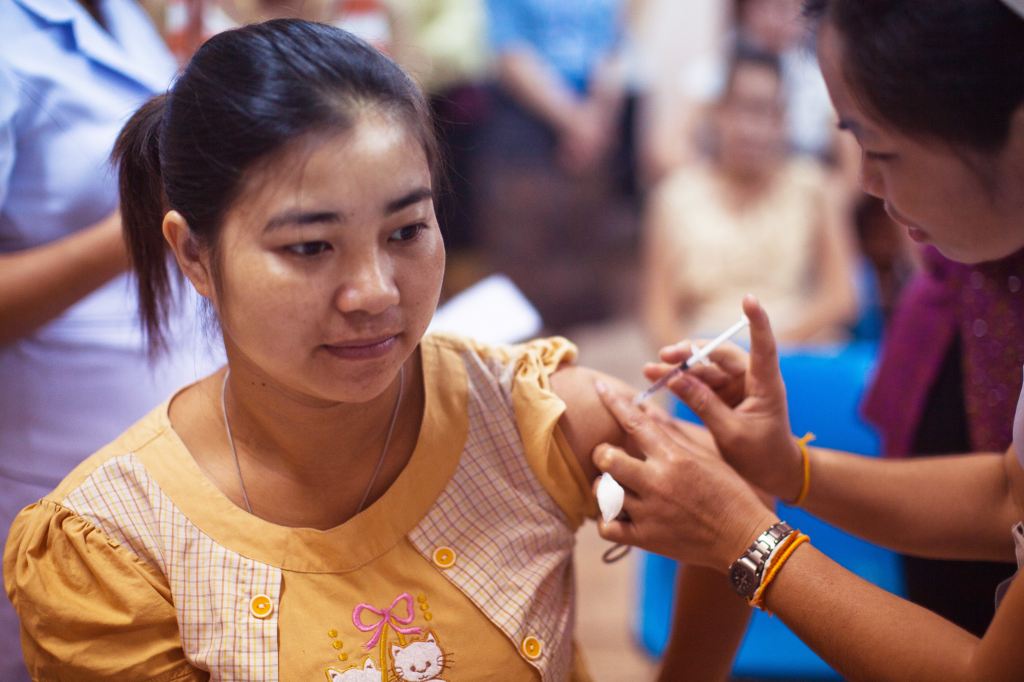
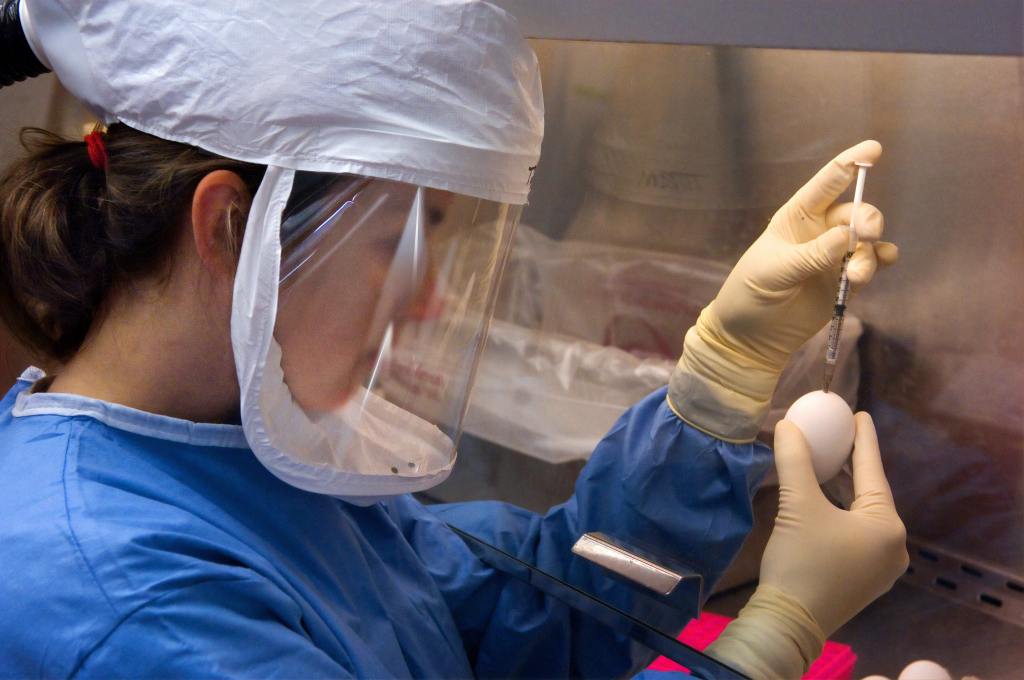
The HPV vaccine. This vaccine has been considered one of the “newer” vaccines of the day that is said to protect patients from getting cervical cancer from the sexually transmitted infection known as human papillomavirus (HPV). According to a recent article from Science Daily, this vaccine is recommended by the CDC for children under the age of fifteen. This vaccine has many benefits, specifically because it can protect people from a young age from cervical cancer in the future. However, debates have arisen regarding the side effects of this vaccine, leaving room for debate on whether the vaccine is “worth it.” Furthermore, recent testing has shown that only one dose of the vaccine may be necessary to protect patients from cervical cancer.

Photo by CDC on Unsplash

An older study of the effectiveness of HPV had interesting results regarding the side effects that it may potentially cause. Studies in Japan led to a great decline in the number of vaccinations because the general population was fearful of the effects the vaccine was supposedly causing. Several different fears regarding the vaccine emerged, ranging from heh ability of the vaccine to cross the blood-brain barrier and cause damage, to auto-immune responses that could cause life-long problems. The article concluded by saying that autoimmune responses were the greatest concern regarding the vaccine, but they were still very unlikely. These studies and questions are continuing today as more research is being done to determine the effectiveness of the vaccine and the side effects it causes.  

More recently, studies are showing that multiple doses of the HPV vaccine may not be needed to effectively protect patients, which could lead to a cost reduction in the vaccine, as well as simpler manufacturing. The study did not show much difference in effectiveness based on age, but it did recommend that children should get the vaccine earlier in order to protect them long-term. Statistics did also show that the vaccine did reduce the chances of cervical cancer in patients. It was very interesting for me to read about this vaccine and to see the various opinions and views regarding it. For parents, it is important that they should have a conversation with their children and their children’s doctor, in order to determine the best course of action to protect their children form the dangers of HPV.

Polio: Old Disease, New Fears

Polio. The polio vaccine is something that we tend to think of only in the past, a difficult disease, but one that we don’t often see anymore. However, I have been surprised in my reading at the measures that are continuing to be taken in order to ensure that polio does not threaten any more people. The polio disease is a part of the Picornaviridae family and is an RNA virus, according to a recent review article. It is mainly transmitted by the fecal-oral route, and the disease is still running rampant in certain countries including Pakistan and Afghanistan, according to another article by The Journal of Infectious Diseases. I was not aware of the fact that the disease was still endemic in these places, but with the proper care, polio could be eradicated from the globe forever.

Photo by CDC on Unsplash

Since the 1960s, the OPV (oral polio vaccine) was the more commonly used vaccine in order to protect people from polio as opposed to the inactivated polio vaccine (IPV). The OPV had the three different strains of the virus, which then protected patients against all three and allowed them to build up their immune systems. However, it was recently discovered that the OPV which has all three strains also has the danger to cause vaccine-associated paralytic poliomyelitis or vaccine-derived polioviruses. A new OPV which only codes for the first and third strand of the virus because it is the second strand that has the potential to cause these other damaging effects. If only given this new OPV, there still remains the potential danger of the second strand to cause disease.

In order to protect patients from this second strand of the polio virus, scientists have been working to use the IPV again in order to combat this disease. IPV is able to help protect individuals from the second strain of the disease without the damaging side effects. It is still important for an individual to receive the modified OPV in order that they are protected from strains 1 and 2. All of this research into the polio vaccine greatly surprised me. As stated earlier, I did not realize the extent to which the polio virus is continuing to cause disease around the world. Thanks to the work of these scientists however, I do not think it will be much longer until polio is eradicated for good.

The Dangers of Tetanus

Tetanus. The danger of this disease is great, but in recent years, it has slowed greatly due to the success of vaccines. However, tetanus still remains a problem in many countries, specifically those that are more underdeveloped or places where there is less direct access to the vaccine. It is crazy to think about the fact that people all over the world do not have the same access to medical care that can easily prevent disease. Tetanus usually originates from an open wound or burn or some other sort of injury, according to a recent article. It sadly can also occur in childbirth, and it can pose dangers to both mothers and children.

Photo by CDC on Unsplash

Recently, scientists have been studying the most optimal ages for receiving the tetanus vaccine. According to an article by Shalini Desai and others, the World Health Organization has recommended that children receive six doses of the vaccine after the age of seven. However, recently a study was done in order to test the immune response in children between the ages of 4 and 7. The study seemed to show that the immune systems of children between these ages did not differ much, leading to the idea that vaccinations could be given in children under the age of 7. However, more research is going to need to be done for this to become a potential reality.

There are several important ways to protect oneself from the dangers of tetanus. The very first and most important of them all is to be vaccinated. By being vaccinated you can protect yourself from the dangers of tetanus because your body builds up an immune response and produces antibodies to fight the infection. Secondly, watch out for cuts or scrapes that you may get while not vaccinated. Metal especially is dangerous because of the many anaerobes it contains, so be on the lookout. As I researched tetanus, I was reminded of the many horrors of the disease including muscle spasms, trismus, difficulty swallowing, and even death. Protect yourself today!

The Microbiome

The microbiome. This complex array of organisms has arisen in past years as one of the most important, yet most under researched aspects of the human body and the world. The microbiome has become increasingly important to humans because of increasing levels of data which show that microbes, specifically in the gut, can cause serious benefits and dangers to human health. Recently, the microbes in the gut have been investigated due to research stating that they can cause various types of cancer. The microbiome has many important functions ranging from regulating the metabolism, producing hormones, and contributing to the role of the immune system in the body, according to a recent journal article. According to another article, Barry Marshall, who drank a certain bacterium in order to prove the presence of the microbiome, should be credited with this important aspect of the human body.  Microbiomes are being used and studied in order to further understand causes of cancer, as well as the benefits that the microbiome can have on curing it.

Photo by Allie Smith on Unsplash

Several types of cancers have been studied that are caused by the microbiome including stomach cancer and bowel cancer. Several different bacteria play roles in causing these health problems, but ultimately, it is the tumors and immune responses that they cause. The toxins that these bacteria produce can lead to several immune responses which can in turn lead to inflammatory responses and tumors. One study done stated however that “it’s an assembly of microorganisms that can collectively impact genome stability and immune function.” This same article also said that certain bacteria could also be used to destroy microbes that cause cancer. This is a very important realization because microbes could be “fought with” other microbes in order to cure diseases.

Several studies have also been done on animals in order to test the effects of the microbiome on other aspects of the body. Mice have specifically been tested, revealing how the microbiota causes effects, but mice and humans have differences that can keep these tests from being fully accurate. Several other studies revealed that the gut microbiome led to several strong immune responses to cancer-causing microbes. The microbiome helps to activate immune cells and memory cells. Overall, the microbiome is very important to the human body, providing messages, immune responses, and more to the body. Therefore, it is important to be able to continue to study and to learn more, so that we can protect ourselves and our world better for coming generations.

Coronavirus Update

It’s been over a month now since the first coronavirus case was identified in Wuhan, China. Some say that the virus is slowing down and getting more controlled, yet others say that it will only continue to get worse.

Photo by CDC on Unsplash

The first few cases of the virus simply looked like pneumonia. Yet, scientists quickly realized that a much more dangerous virus was at work.

The New York Times stated in a recent article that the new coronavirus has killed more people than the SARS epidemic, another dangerous illness, that occurred in China in 2002-2003. The current death toll is over nine-hundred, and it is continuing to grow. According to Nature, SARS killed “around 11% of the people it infected.” As of now, it does not look like the coronavirus has the same death rate as SARS even though it has killed more people. It also seems that more of the deaths that have been seen so far have occurred in the elderly population, and that those with better immune systems have experienced less fatalities.

In other news, a cruise ship of over three thousand people recently had to be quarantined off the coast of China after several passengers were discovered with the virus. Passengers have finally been able to leave the ship, and they are now in Hong Kong. Furthermore, the coronavirus is now beginning to affect more than just the health of the population, now the economy, specifically in China, is beginning to suffer.  Because people are fearful to go outside or to go to a restaurant or a store, many businesses are losing customers. People are not traveling or selling or buying from China at the same rate either out of fear of the current illness.

From a biological perspective, important work is being done in order to develop a vaccine for the virus. Strains of the virus have been sequenced and shared with the world in order to help further the scientific process. Scientists around the world are studying this virus in order to develop a vaccine, and that begins with studying the specific genetic sequence of the virus. Currently, testing is being done in order to see if the receptor on the virus that allows it to bind to humans could be blocked to prevent the virus from infecting human cells. However, even if this could prevent the virus, it could be a long time until this vaccine is approved to be used on humans around the world.

Until then, stay safe, wash your hands, and watch for symptoms in you and your loved ones that could signify the presence of the virus.

A Longtime Foe

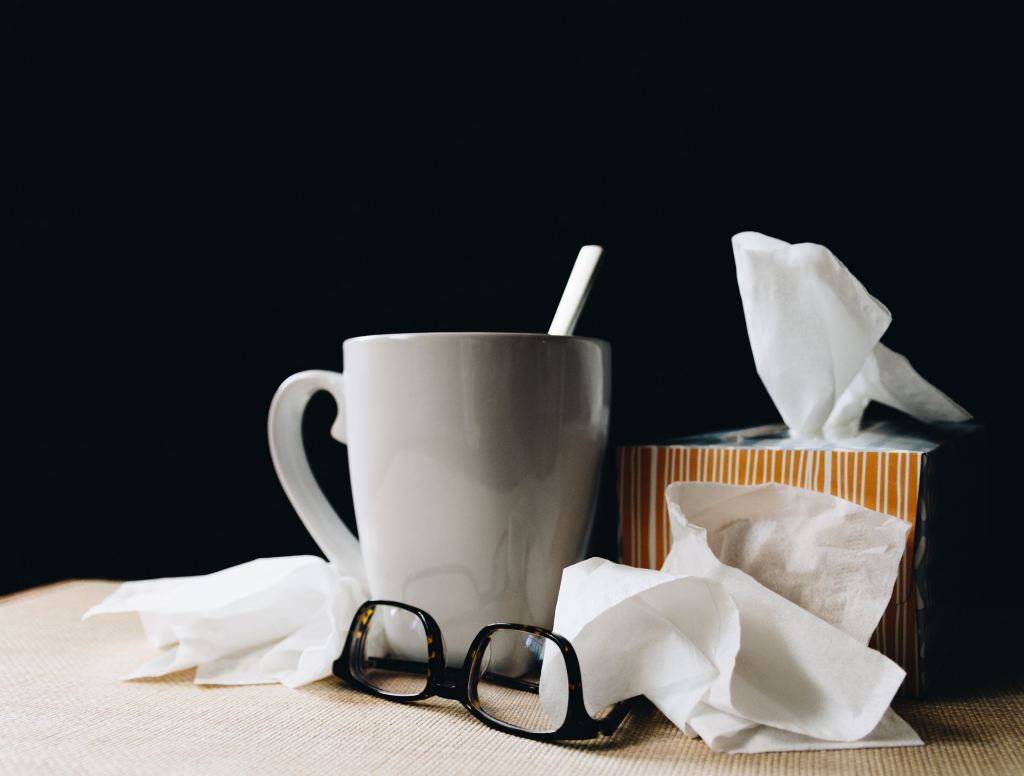
The flu has become one of the most talked about viruses in the United States due to the widespread effects of it, as well as the vaccine which is highly recommended every year. The influenza virus (or the flu as it is more commonly known) causes serious sickness and large numbers of deaths every year. Signs and symptoms, according to the CDC, can include a fever, cough, sore throat, muscle aches, runny nose, and fatigue. The flu is much more commonly fatal in young children or the elderly due to weaker immune systems. However, the flu can occur in anyone at any age, and the dangers remain for young and old alike.

Photo by Kelly Sikkema on Unsplash

On a more detailed level, the influenza virus is a single-strand RNA virus which has four different types known as A. B, C, and D, according to an article by Asim Biwas and others. The most common strands of the virus to affect humans are the A and B viruses. One of the most difficult things about the flu virus is that it mutates and changes every year. In turn, this means that a new vaccine must be developed for each season of the virus in order to protect individuals from coming in contact with the illness. Furthermore, this means the effectiveness of the vaccine can differ depending on the year. There are so many strains of the virus, so doctors and biologist have to decide each year which strains seem to be the most prevalent, and then vaccinate people according to this data. Either way, studies have shown that it is still very important to get the vaccine because it can lessen signs and symptoms of the virus if you still happen to get it. There are also more antibodies and T-cells produced against the flu virus when you get the vaccine, which also help you fight infection even if you get the virus.

The World Health Organization is in charge of studying the influenza virus for each specific year to watch and make changes to the current vaccines. The WHO specifically looks at surface glycoproteins because these play a role in the influenza virus’ ability to enter a cell. It is still too early to tell if the flu vaccine for the 2019-2020 year is very effective. The specific vaccination recommendations have remained very similar, so there are similar requirements for protection in this new year. Furthermore, data reported from the 2017-2018 year shows that “the flu vaccine prevented an estimated 7 million illnesses.”

What does this mean for you and me? Find the nearest doctor’s office or drugstore, and go protect yourself and your loved ones from the flu!

The World’s New Enemy: The Coronavirus

The coronavirus. Over the past few weeks, this word has become all too common across headlines as this new disease begins to spread throughout the world.

Photo by Macau Photo Agency on Unsplash

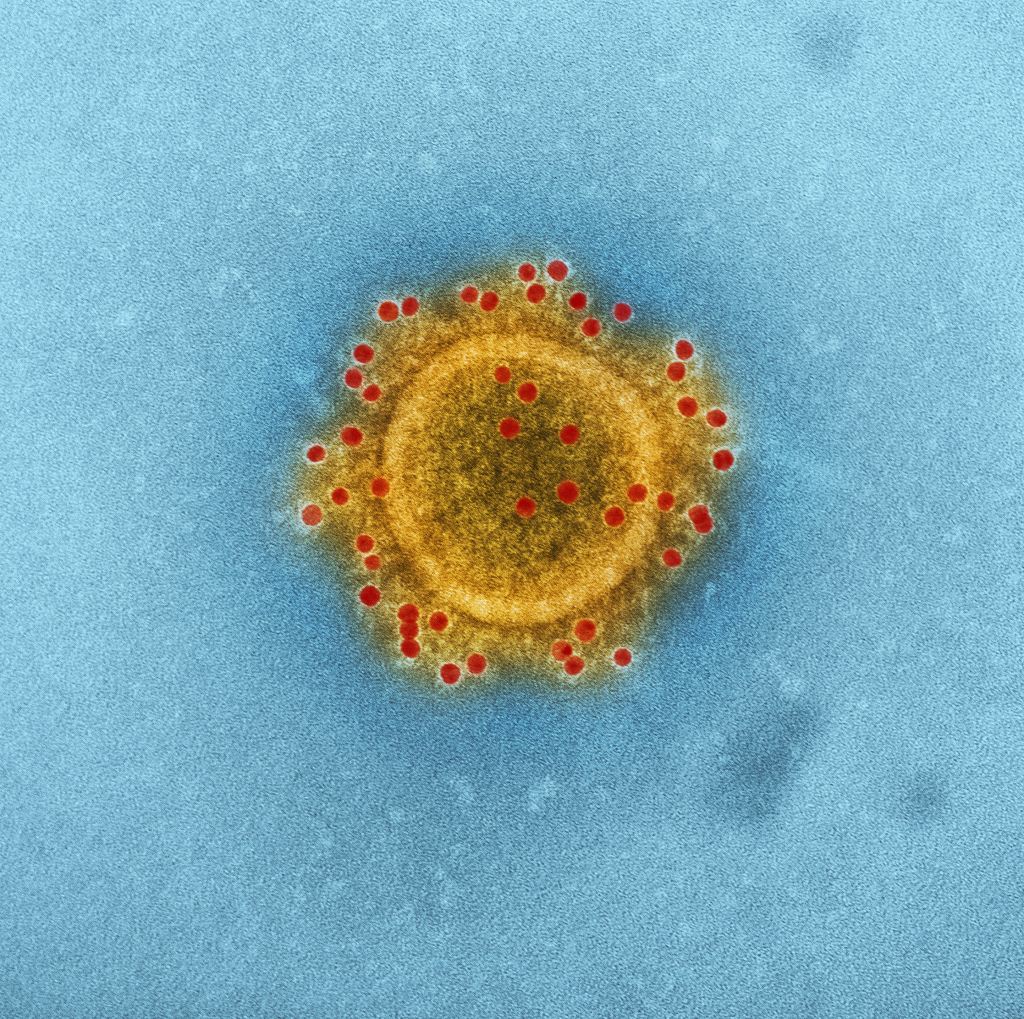
Coronaviruses are a bigger group of viruses than just the current virus we are seeing today. The specific strand being talked about currently has been named the 2019-nCov, which was recently discovered to be infecting people in Wuhan City, China. Several other strands of the virus that have caused issues in the past include Middle East Respiratory Syndrome (MERS-CoV) and Severe Acute Respiratory Syndrome (SARS-CoV). Coronaviruses are known as zoonotic viruses because they are transferred from animal species to humans. Different coronaviruses are known for having different severity levels in humans, and it seems this new virus is taking its toll.  

The 2019-nCov strand is currently spreading not just in the country of China but around the world. According to updates by The New York Times, the death toll has passed 360, and there are more than 17,000 confirmed cases of the virus. The disease has spread to over twenty countries, and recently it has become very clear that the virus spreads by person-to-person contact. This creates more of an issue for populations as the virus continues to spread from its original source. The virus can range in its severity, but currently common signs of infection seem to include coughing, shortness of breath, fever, and other respiratory issues. According to the World Health Organization, more severe cases can also lead to pneumonia, kidney failure, severe acute respiratory syndrome, and potentially death.

The question then remains: what is to be done in order to protect the world from the spread of this dangerous virus? Many steps are being taken in order to protect people from the spread of this virus. Airlines are slowing and stopping flights in and out of China currently in order to keep the virus from spreading. In the city of Wuhan, strict measures are being taken in order to prevent the further spread of this virus. The city is quarantining anyone who has been identified as being in close contact with someone who has received the virus. Also, the Chinese government is currently preparing to open a hospital that has been built in the last ten days in order to house and treat coronavirus patients. In many other countries including the U.S., strict precautions are also being taken in order to stop the spread of the virus.

So be aware. Wash your hands, take care of yourself, and if you think you are getting sick, go to the doctor immediately. Read more at the Center for Disease Control and Prevention’s website to learn more about how to protect yourself and your loved ones.

THE VACCINE DEBATE

Science impacts the world in ways we sometimes fail to recognize. It can have unforeseen impacts and surprising revelations. Such was the case in the story of Dr. Andrew Wakefield.

Photo by CDC on Unsplash

Andrew Wakefield was a British doctor who, in 1998, published a scientific paper, along with twelve colleagues, stating that the MMR (measles, mumps, and rubella) vaccine caused autism. He and his colleagues based this revolutionary discovery on the data from twelve children who were brought to the Royal Free Hospital and School of Medicine. These children were brought in with “chronic enterocolitis and regressive developmental disorder” according to an article by Laura Eggertson. The scientists believed that these health issues were due to the MMR vaccine, and they also stated that “the parents of eight of the twelve children associated their loss of acquired skills, including language, with the MMR vaccination.” This was the evidence that the authors claimed to be using to make their conclusions regarding vaccines.  

At first glance, this study seemed rather normal. However, it was later discovered after the results of the study were published in the scientific journal The Lancet that ulterior motives were at play. It was brought to light that several lawyers who were working with some of the parents of children in the study had helped fund research. Why? The lawyers were helping fund research because they were helping their clients sue against vaccine manufacturers. After these underlying motives were brought to light, the article was revoked and Andrew Wakefield eventually lost his medical license for his unscrupulous behavior. Since the article was revoked, great sums of money have been spent in order to reject Wakefield’s data and also to continue to search for cause of autism today.

The publication of this article has had large-scale effects in many countries beginning with the UK. Following this article, UK immunization rates plummeted. According to an article by Time magazine, it took “nearly two decades for the UK immunization rates to recover” after Wakefield’s data was released, and families in the United Kingdom had experienced “more than 12,000 cases of the measles, hundreds of hospitalizations…and at least three deaths” during those twenty years. Parents became so frightened of their children getting autism that many refused to vaccinate their kids, leading to much higher rates for the measles, mumps, and rubella. This was not simply something that occurred in Europe either. Due to the fears surrounding the claims made by Andrew Wakefield, families in the U.S. were also affected and have continued to be impacted. There have been several breakouts in the United States and elsewhere around the world. In the U.S. specifically measles was thought to be gone, but it has returned in several locations, following a lack of vaccinations.

Photo by CDC on Unsplash

Vaccines are necessary in order to protect communities and to protect those who have compromised immune systems. However, following Andrew Wakefield’s work, giving vaccinations has become a much harder task. It is up to the next generation to be educated and aware of the importance of vaccines, so that they will vaccinate and protect their children, and hopefully end these diseases once and for all.  

WELCOME TO THE BLOG

Welcome readers and friends! My name is Emma Kruger, and I am a pre-nursing student at the University of North Carolina at Chapel Hill. I grew up in the city of Charlotte, North Carolina but was born in Edinburgh, Scotland.

Photo by Kirsten Drew on Unsplash

I have spent most of my life playing a variety of sports and doing lots of outdoor activities. I played basketball, volleyball, and soccer throughout middle and high school. Soccer has always been my favorite, and I plan on continuing to play through intramural sports at UNC.

I will be applying to the Nursing school at UNC in the Fall of 2020 with the hopes of being able to become a nurse. I would love to be able to move overseas to work with a nonprofit via nursing someday.

Photo by Olga Kononenko on Unsplash

Thank you for reading!